Technical Program
Tutorials
This year we will continue the fun and educational tradition of the extended 3 hour tutorials given on the Sunday before the conference. These tutorials give a deep insight into selected research and development topics and serve both as an expert review of the field for all, as well as an introduction for newcomers. We are offering 10 hot topics led by some of the most recognized and experienced scientists in the field. All tutorials come with a set of slides which are an indispensable source of information that you will not find anywhere else! Students get one free ticket but nobody should miss this opportunity. Confirm your participation early in advance as tickets will be limited. We look forward to welcoming you on Sunday June, 10th at 8:30 AM.
Best regards,
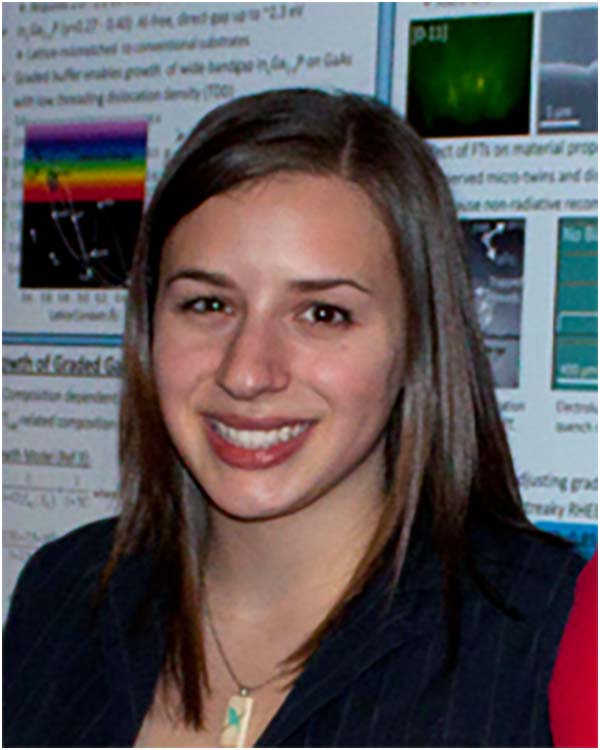
Stephanie Tomasulo
Tutorial Chair
2018 WCPEC-7
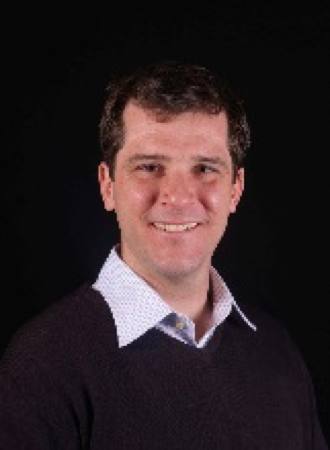
Michael Scarpulla
Deputy Tutorial Chair
2018 WCPEC-7
The WCPEC-7 will be offering half day tutorials on Sunday June 10th, 2018. The tutorials cover a wide range of photovoltaic related topics, presented by the leading experts in the field.
Please note the following times for the Tutorials:
Sunday AM Tutorials: 8:30 AM - 12:00 PM
Sunday PM Tutorials: 1:30 PM - 5:00 PM
AM1: Fundamentals of Photovoltaics – Prof. N.J. Ekins-Daukes, UNSW, Australia
AM2: Advanced Solar Cell Characterization – Dr. Martin Schubert, Fraunhofer ISE, Germany, and Prof. Thorsten Trupke, UNSW and BT Imaging, Australia
AM3: Understanding the Success of PV in the Big Picture – Prof. Sarah Kurtz, University of California, Merced, USA
AM4: Physics and Technology of Si Solar Cells – Dr. Ron Sinton, Sinton Instruments, USA and Prof. Daniel MacDonald, Australian National University, Australia
AM5: Thin Film PV: CdTe, Cu(InGa)Se and a-Si/nc-Si – Prof. Angus Rockett, Colorado School of Mines, USA
PM1: Utility-scale PV Plants and Grid Integration Capability – Mr. Daniel Riley, Sandia National Laboratory, USA and Dr. Mahesh Morjaria, First Solar, USA
PM2: III-V Based Tandem Solar Cells – High Efficiency, Low Cost? – Dr. Frank Dimroth, Fraunhofer ISE, Germany
PM3: Performance and Reliability of Solar Cells – Prof. Muhammad A. Alam, Purdue University, USA
PM4: Perovskite Solar Cells – Prof. Sam Stranks, Cambridge University, UK and Dr. David Moore and National Renewable Energy Lab, USA
PM5: Solar Cell and Module Characterization – Dr. Gerald Siefer, Fraunhofer ISE, Germany and Dr. Yoshihiro Hishikawa, AIST, Japan

AM1: Fundamentals of Photovoltaics
Instructor: Dr. N.J. Ekins-Daukes, University of New South Wales, AustraliaThe tutorial will begin by surveying the properties and availability of sunlight, introducing the necessary measures and some commonly used data sources. A simple thermodynamic model for solar power conversion will be established to place an upper bound to the conversion efficiency. It will then be shown that using a semiconductor absorber leads to the usual measures for solar cell performance, short-circuit current, open circuit voltage and fill factor and introduces additional constraints to photovoltaic power conversion leading to the Shockley-Queisser efficiency limit. The carrier transport and recombination processes that are present in practical solar cells will be discussed in the context of Shockley’s diode equation and establishing analytical models for solar cell dark current, quantum efficiency and reciprocity between absorption and emission, or equivalently absorption and open circuit voltage.
Having established a framework for understanding PV devices, several solar cell technologies will be surveyed (including crystalline silicon, CdTe, CIGS, organic and perovskite) considering both their present laboratory status and manufacturing processes. The application of these modules in PV power systems will be surveyed together with the economic and life-cycle metrics that are commonly used to determine the feasibility and desirability.
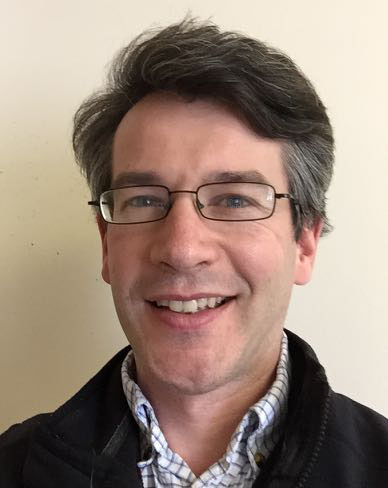 Dr N.J.Ekins-Daukes (Ned) is presently Associate Professor in the School of Photovoltaic and Renewable Energy Engineering at the University of New South Wales in Australia. He received his first degree in Physics & Electronics from the University of St Andrews in Scotland and PhD in Solid State Physics from Imperial College London in 2000. He subsequently worked as a JSPS research fellow at the Toyota Technological Institute in Japan, Lecturer at the University of Sydney, Senior Lecturer and Reader at Imperial College London. His research aims to increase the efficiency of photovoltaic solar cells towards the ultimate efficiency limit for solar power conversion of 87%.
AM2: Advanced Solar Cell Characterization
Instructors: Dr. Martin Schubert, Fraunhofer Institute for Solar Energy Systems, Freiburg, GermanyProf. Thorsten Trupke, UNSW and BT Imaging, Australia
In part I of this tutorial we will show that photoluminescence data can be used to measure implied IV curves on passivated wafers in a contactless fashion and without the need for a pn-junction. In this context, it will be argued that the exponential relationship between current and voltage in any solar cell is determined by the total recombination rate throughout the device volume as a function of the separation of the quasi-Fermi energies. The relationship between the luminescence intensity emitted by a silicon wafer or solar cell and the quasi Fermi energies, which is known as the generalised Planck equation and which provides the basis for analysing luminescence data in terms of a device voltage will be introduced. Experimental data will be presented for implied IV curves measured on passivated, non-diffused wafers, which prove the origin of the exponential IV characteristics to be unrelated to the presence of a pn junction or in fact of any specific device structure.
Part II of the tutorial will introduce the concepts of photoluminescence imaging, electroluminescence imaging and lock-in thermography, which are commonly used today in R&D and in high volume manufacturing for the characterisation of PV devices. A broad overview of applications will be provided and the pros and cons of each technique discussed. One specific application for each technique will then be presented in more detail. For PL imaging we will review the quantitative analysis of bulk lifetime on non-passivated bricks and ingots. EL imaging is primarily used for quality control on fully assembled PV modules, some examples for that application will be presented. Lock-in thermography is a valuable technique for shunt analysis on cells. Series resistance imaging will be used as an example of the benefits arising from combining data from two or all of the above imaging techniques. As final step it is shown how these inputs together with related techniques such as LBIC can be used for a detailed solar cell efficiency loss analysis.
 Martin Schubert studied physics in Freiburg, Germany, and Montpellier, France. He is Head of Department for Quality Assurance, Characterization and Simulation at Fraunhofer ISE, Germany, and active in silicon material and solar cell characterization. He is concentrating on identifying and quantifying performance limitations on both, silicon materials and solar cells by combining established methods, developing novel analysis methods and by modelling approaches. He is particularly focussing on the role of impurities and their impact on cell performance as well as on specific loss mechanisms in solar cells. For his work, Dr Schubert was awarded the Ulrich Gösele Young Scientist Award in Fukuoka, Japan in 2013.
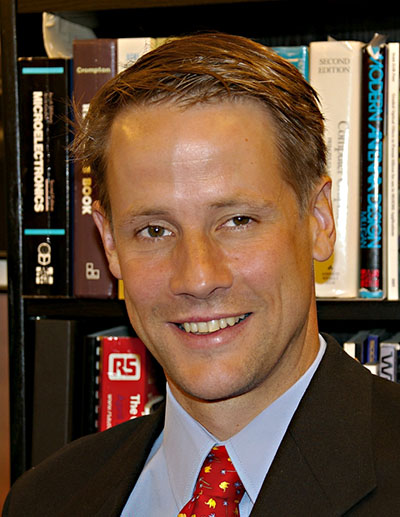 Thorsten Trupke is a semiconductor scientist with expertise in photovoltaic (PV) devices and the theory of solar energy conversion. The focus of his scientific work is on silicon solar cells, with emphasis on the development and application of novel characterisation methods for silicon bricks, wafers, solar cells and modules. He co-invented a range of novel characterisation methods, including various luminescence imaging based methods, which are now used for routine inspection in laboratories and in high volume manufacturing. Thorsten is a Professor at the School for Photovoltaic Renewable Energy Engineering, where he leads a research team of two postdocs and five PhD students, currently in a part time role. He is also co-founder and CTO of BT Imaging Pty Ltd, a UNSW start-up company commercializing the PL imaging technology.
AM3: Understanding the Success of PV in the Big Picture
Instructor: Sarah Kurtz , University of California, Merced, USAHistorically, PV has grown faster than predicted, even relative to most predictions from those seeking to address climate change. PV has been so successful that we are now in a new era for which continuing the historical growth of PV will require moving our energy use toward electrification. Today, solar energy only supplies 1%-2% of the world’s electricity, so is generally considered to be negligible in the big picture, including in plans to slow climate change. However, it represents > 20% (maybe close to 30% in 2017?) of the annual net expansions of electricity generating capacity. In 2017, solar electricity generating capacity passed nuclear electricity generating capacity, demonstrating solar’s progress. As a technology that has been doubling in deployment rate every 2-3 years, solar is now of a size that further growth will affect the entire electricity generating system. (Actually, even if the deployment rate were to show no further growth, the energy sector would still be changed as > 2 TW of PV would be installed over the next decades.)
The tutorial will review the basics (including the difference between power (capacity) and energy (electricity)) and trace the historical growth of PV. It will then explore some of the reasons why solar has grown faster than most predicted, including faster cost reduction, enthusiasm for adoption of clean energy, and individuals’ enthusiasm for being independent.
Finally, it will explore the bigger picture including:
• the importance of the rapidly falling cost of batteries, which enables adoption of electric vehicles as well as coupling battery storage with PV
• the many other ways of creating a more flexible grid through increased use of thermal storage (both hot and cold), natural gas electricity generation, demand management, time-of-use rates, and better controls to understand and respond to the grid’s operating state
• need for lower PV cost to enable PV to be a low-cost option even for applications needing energy at midnight
• new applications (and research opportunities) for PV, including PV on vehicles and BIPV
• ramifications on related technologies such as increased value and possible growth of Concentrating Solar Power as well as opportunities for use of “free” electricity during sunny times when there is a surplus of electricity.
• ramifications on our energy infrastructure and markets as there is much discussion of grid defection and creation of microgrids that may replace conventional grids in some parts of the world.
In the future, will we do better at predicting where PV is headed? The picture is quite complicated, but this tutorial will explore some of the drivers to guide choices both for research directions and for career directions.
 Sarah Kurtz completed her PhD in Chemical Physics at Harvard University in 1985 and began work that same year at the Solar Energy Research Institute, now the National Renewable Energy Laboratory (NREL). After studying amorphous silicon during her post doc, she joined Jerry Olson in developing the GaInP/GaAs cell and refinements of it for the following two decades. For the last decade, she has led NREL’s effort in PV Reliability. She has now become a professor at the University of California Merced, while still retaining affiliation with NREL. Recognitions of her work include a jointly awarded Dan David Prize, the Cherry Award, and the C3E Lifetime Achievement Award.
AM4: Physics and Technology of Silicon Solar Cells
Instructors: Ronald A. Sinton President, Sinton Instruments, Boulder, CO USADaniel Macdonald, Professor, the Australian National University
Crystalline silicon remains the prevalent photovoltaic technology today, and it continues to improve in terms of both cost and efficiency. Can we make it even better? In this tutorial we will start with a silicon wafer and discuss how to convert it into an efficient solar cell, firstly considering the optics, so that it absorbs as many photons as possible, and secondly considering the electronic quality, to extend the life expectancy of electrons and holes. The latter requires an understanding of the key defects and impurities that are prevalent in various type of silicon materials. A revision of the physics of solar cell operation will then tell us that we need to form two distinct regions, or layers, that separately transport either electrons or holes with a high degree of selectivity. We will discuss different approaches to make such selective transport regions, from the traditional to the latest ideas, including: a) the introduction of dopants by thermal diffusion, b) the geometrical restriction of doped regions, c) the deposition of “passivating contacts” such as those based on polycrystalline and amorphous silicon. We will “go to the lab” and learn how to measure the main electronic properties that characterise the absorber and contact regions of the solar cell: carrier lifetime, surface recombination parameters and contact resistivity. Special attention will be given to test and measurement techniques for process control during cell and module fabrication, to ensure high quality products. Special topics in solar cell and module measurement techniques will also be touched upon, including outdoor characterization.
 Daniel Macdonald is a Professor at the Research School of Engineering of The Australian National University. He has contributed to the scientific and technological development of silicon solar cells since 1998, and has been awarded three Australian Research Council Fellowships. His current research interests include the detection and mitigation of key defects in silicon, the development of advanced characterisation methods for silicon materials and devices, and new approaches for the fabrication of high efficiency silicon solar cells. In addition to conducting fundamental materials research, he also leads several large industry-supported R&D projects which aim to translate advances in the laboratory to the production line.
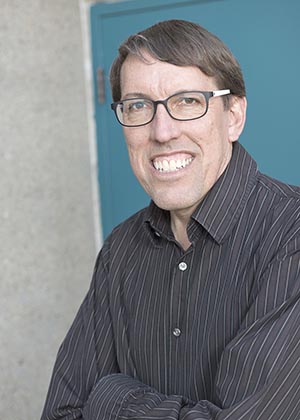 Ron Sinton received his Ph.D. from Stanford University in 1987 for work on high-efficiency (28%) silicon concentrator solar cells. Following graduation, he was a founding member of SunPower as manager of R&D. In 1992, he founded Sinton Consulting, later Sinton Instruments, which has focused on developing many novel test and measurement instruments that have become central to both R&D and process control during the enormous expansion of the silicon solar cell industry. In particular, Sinton Instruments has been at the forefront in developing instruments for characterizing carrier recombination lifetime at each stage in the process from as-crystallized brick or ingot material through wafers through the entire fabrication process, and then in finished devices. Cell and module characterization is another specialty. In 2014, Ron received the Cherry Award at the IEEE PVSC.
AM5: Thin Film PV: CdTe, Cu(InGa)Se and a-Si/nc-Si
Instructors: Angus Rockett, Colorado School of Mines, USAChalcopyrite and amorphous/nanocrystalline Si (a-Si) photovoltaics and their associated materials are fascinating with many unique materials properties and reasons to be interested in their operation in solar cells. They have resulted in products successfully manufactured. CdTe solar modules are highly competitive with Si currently, the Cu chalogenides (CIGS) are consistently improving their competitiveness, and a-Si has found a niche as a low-recombination contact to crystalline Si in addition to its function as a stand-alone device. Currently champion CdTe and CIGS devices are comparable to the best polycrystalline Si devices, to the hybrid perovskites, and represent strong competitors to the Si industry. This tutorial will provide a quick overview the status of the associated PV technologies and a review of key aspects of this very complicated set of materials focusing on aspects that control how the devices work. For a-Si this involves the band structure, defects, and crystallinity primarily. For CdTe we will look at contacts, grain boundaries, doping and lifetime. CIGS is more subtle. We will discuss phase relationships, defects, heterojunction partner materials, doping and lifetime, and metastability. Other topics for each material will be covered as time permits. Finally, the prospects for each technology will be considered.
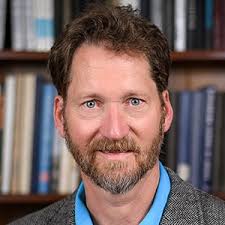 Angus Rockett has worked in thin film chalcogenide photovoltaics, materials growth mechanisms, deposition process development, and device and materials simulation for more than 36 years. He is currently Head of the Department of Metallurgy and Materials Engineering and the Colorado School of Mines and an Emeritus Professor in the Department of Materials Science and Engineering at the University of Illinois. He was President in 2011 and is a Fellow of the American Vacuum Society. He was the General Chair of the IEEE Photovoltaic Specialists Conference in 2016 and has held many positions with both the PVSC and the AVS. He received his B.S. in physics from Brown University and his Ph.D. in metallurgy from the University of Illinois. In the area of materials synthesis, he has specialized in epitaxial growth processes for Si and CIGS as well as contacts to CdTe. He has used a very wide variety of materials microanalysis methods to study semiconductors. His group has done density functional theory, continuum elasticity, lattice Monte Carlo, and drift-diffusion modeling of materials and devices. He has also worked with reactive sputtering of nitrides and other materials. He is the author of one book, The Materials Science of Semiconductors, five book chapter contributions, more than 150 publications in archival journals, holds three sputtering- and/or photovoltaics-related patents, and has given more than 130 invited talks. He teaches courses in electronic materials and processing in addition to general materials science courses. He has presented short courses and tutorials in sputtering, materials microanalysis, and solar cells and solar cell materials for a variety of professional societies and organizations around the world.
PM1: Utility-Scale PV Plants and Grid Integration Capability
Instructors: Dr. Mahesh Morjaria, VP, PV Systems, First Solar, USADaniel Riley, Senior Member of Technical Staff, Sandia National Laboratories, Sandia National Laboratories, USA
Besides improvements in PV technology, a number of factors influence making utility-scale solar generation both cost-effective and commercially viable. Some of the critical factors that have made significant PV growth possible will be discussed in this tutorial. These factors include plant system design, BOS component selection as well as interconnection and grid considerations required to deliver a fully permitted and compliant system. The system design including selection of DC/AC ratio, row spacing, tracking or fixed tilt mounting is focused on optimizing LCOE (Levelized Cost of Energy) that maximizes the project revenue and makes it financeable. To a large extent financial viability of a solar plant depends on projections of future revenue from energy production. Performance models are used to estimate future production using historical data.
Other factors that play a critical role in viability of utility-scale plant is meeting managing regulatory and contractual requirements. The capability of utility-scale PV plants to address grid reliability and stability concerns is getting critical to integrate large amount of PV generation into the electric power grid. PV plants with “grid-friendly” features such as voltage regulation, active power controls, and ramp rate controls have already alleviated these reliability concerns. The viability of PV plants to provide important reliability services to the grid was recently demonstrated, and in some cases even out-performed conventional generation.
This tutorial provides a high-level view of utility-scale PV system design, equipment selection and well as a discussion of various plant optimization approaches that makes the plant viable. Next, it outlines the process for modeling large-scale PV systems, describing available models and data, and providing insight into practices which promote confidence in model results. It then concludes with a discussion on the capability of PV plants to support grid stability and reliability – a key enabler for increasing share of clean electricity to the grid.
 Mahesh Morjaria, Ph.D. VP, PV Systems, First Solar. Dr. Mahesh Morjaria is the VP for PV Systems Development at First Solar. He leads the R&D effort in PV systems technologies for utility-scale solar plants. Over the past seven years, he has established himself as a leading expert in the area of solar generation and in addressing key challenges associated with integrating utility-scale solar plants into the power grid. Dr. Morjaria previously worked at GE for over twenty years where he held various leadership positions including a significant role in expanding the wind energy business. He brings more than 35 years of advanced technology, and product development. He is the author of numerous industry leading papers and patents in the area of solar, wind generation & grid integration. His academic credits include B.Tech from IIT Bombay and M.S. & Ph.D. from Cornell University.
 Dan Riley is a Senior Member of the Technical Staff at Sandia National Laboratories, currently in the Photovoltaics and Materials Technologies department. He was one of the original creators of the open-source PV modeling library PVLib in MATLAB. He has developed component-based performance models for AC modules, concentrating PV modules, and bifacial PV systems as well as neural-network based performance models.
PM2: III-V based Tandem Solar Cells - high efficiency, low cost?"
Instructor: Dr. Frank Dimroth, Fraunhofer ISE, GermanyThe tutorial will begin with an introduction to high efficiency photovoltaics and the concept of tandem solar cells. Loss mechanisms in a solar cells will be discussed as well as tandem architectures including mechanical stacking and monolithic integration. It will be motivated why and how III-V multi-junction solar cells are leading to the highest conversion efficiencies. The optimization of devices for specific spectral conditions and intensities is introduced in view of applications in space and in concentrating photovoltaics. Specific challenges associated with each of these applications are discussed such as radiation hardness or operation at high current densities. This requires e.g. the development of tunnel diodes with high peak tunnel current density.
The highest performance III-V solar cells today show a high radiative efficiency. In other words, the cells operate also as good light emitting diodes. The tutorial will motivate why a high luminescence efficiency is important to enhance photon recycling and photon coupling. These effects are the basis for the highest performance GaAs and GaInP solar cells.
Up to 6 junctions are used today to form multi-junction solar cells. The complexity of the internal structure is not visible from the outside but hidden in the design of the solar cell layer stack. A variety of concepts have been investigated to reach high performance devices. This includes methods such as upright- and inverted growth, metamorphic (lattice-mismatched) materials, wafer bonding, substrate lift-off and recycling. These technologies can be combined with a variety of substrate materials including GaAs, Ge, InP, GaSb and Silicon. The methods will be discussed together with advantages and disadvantages in the cell designs.
III-V solar cells today have a restricted market due to high material and manufacturing costs. More recently several groups are investigating lower cost epitaxy growth (e.g. by HVPE or high growth rate MOVPE), larger reactor chambers and III-V growth on lower cost substrates like silicon. These concepts may lead to a significant cost reduction and enable new markets. The tutorial will give an overview on the status of these developments and introduces ways how to reach III-V/Si tandem devices with efficiency exceeding 33% AM1.5g.
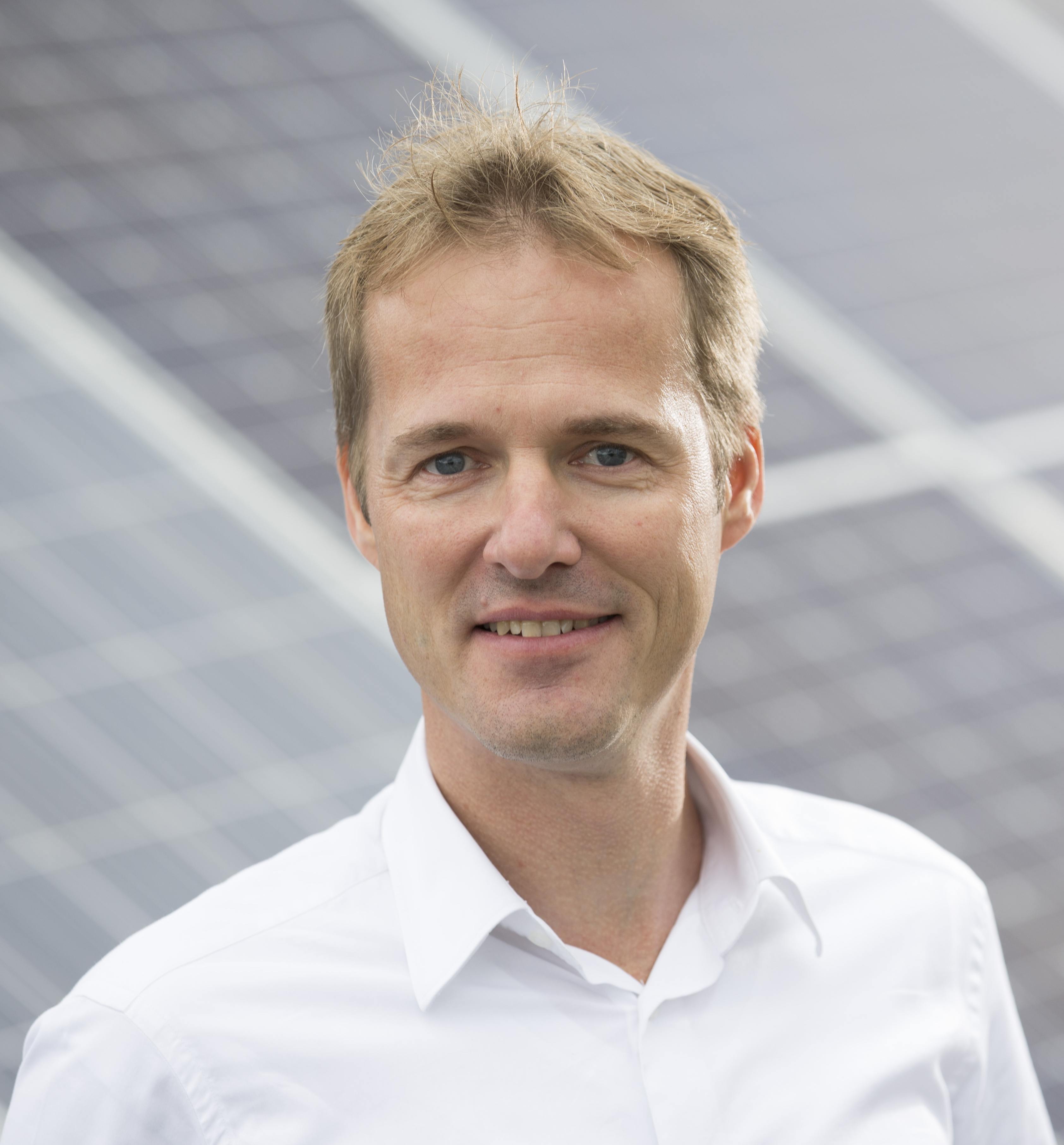 Dr. Frank Dimroth has joined the Fraunhofer Institute for Solar Energy Systems (ISE) in 1996 as a diploma and later PhD student. Since 2007 he was named manager of the department “III-V Photovoltaics and Concentrator Technology” with currently 50 employees. His main interests are the epitaxial growth of arsenides, phosphides, and antimonides for next-generation multi-junction solar cells. Within the last 20 years he performed applied research in the fields of space and concentrator photovoltaics for electricity and hydrogen production. His group has developed some of the most efficient multi-junction solar cells in the world, as well as concentrator modules. Frank Dimroth was co-founder of Concentrix Solar in 2005. The company produces high-concentration photovoltaic systems previously developed in the group at Fraunhofer ISE. In 2010 Frank Dimroth received the Fraunhofer price as well as the Louis D science award of the Institut de France. He is editor of the IEEE Journal of Photovoltaics in the area of "III-V, Concentrator and Space PV.
 PM3: Performance and Reliability of Silicon and Thin-Film Solar Cells: A Physics-based, Atom-to-Farm Perspective
Instructors: Muhammad A. Alam , School of Electrical and Computer Engineering, Purdue University, West Lafayette, IndianaA solar cell is an inefficient energy converter. Had the sunlight not been free, no one would care about an “engine” that wastes two-thirds of the input energy at the cell level and five-sixths of the incident energy at the farm level. Thus, to be economically competitive with other energy technologies, a solar module must be as efficient and as long-lived as possible.
The tutorial will begin with an introduction to the performance limits of solar cells and an elementary exercise regarding the cost of photovoltaic energy (no, it is not free!). Next we will discuss the various degradation modes (e.g. shadow degradation, light induced degradation, UV degradation, corrosion, potential induced degradation, glass cracking, etc.) that erode the efficiency over time. Each degradation will be defined, modeled, and compared with available experimental data. Given the local weather variables (e.g. temperature, relative humidity, etc.), the tutorial will explain how one can predict the lifetime of a solar farm. We will conclude by explaining how a physics-based machine learning approach (which interprets the routinely collected data of an existing farm) can predict its remaining lifetime.
Background. Except for an some familiarity with a p-n junction diode, no background in solar cell, reliability, or statistics are assumed. Anyone with an interest on the topic should be able to follow the entire tutorial. The participants will need a calculator to solve the in-tutorial exercises, and a mobile phone to answer google-form based quizzes.
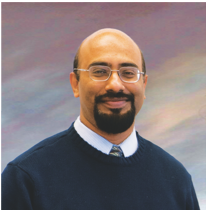 MUHAMMAD ASHRAFUL ALAM is the Jai N. Gupta Professor of Electrical Engineering at Purdue University where his research and teaching focus on physics, fundamental limits, and technology of classical and emerging semiconductor devices. From 1995 to 2003, he was with Bell Laboratories, Murray Hill, NJ, where he made fundamental contributions to the reliability physics of semiconductor devices and design of optoelectronic integrated circuits. Since joining Purdue in 2004, Dr. Alam has published over 250 papers on a broad range of topics involving biosensors, flexible electronics, reliability and solar cells. He is a fellow of IEEE, APS, and AAAS and the recipient of 2006 IEEE Kiyo Tomiyasu Award for contributions to device technology for communication systems, and 2015 SRC Technical Excellence Award for contribution to semiconductor reliability physics. Prof. Alam enjoys teaching: more than 125 thousands students worldwide have learned some aspect of semiconductor devices from his web-enabled courses.
 PM4: Perovskite Solar Cells
Instructors: Prof. Sam Stranks, Cambridge University, UKDr. David Moore, National Renewable Energy Lab, USA
Halide perovskites are generating enormous attention for their potential use in high-performance photovoltaics. Their remarkable tunability and defect tolerance have led to rapid improvements in power conversion efficiency to over 22%, as well as enormous promise for tandem and other versatile PV applications.
In this tutorial, we will give an overview of the recent rapid development of perovskite solar cells. We will introduce the halide perovskite family of materials, and discuss their remarkable material and optoelectronic properties. We will review various methods for making both single crystals and thin films and how the processing and chemistry affects the resulting structure. We will describe current understanding of charge carrier recombination, defects and passivation approaches to improve performance. A particular focus will be on their potential for tandem structures, including perovskite-silicon and perovskite-perovskite embodiments, as well as recent developments and challenges in material and device stability. Finally, we will give an outlook on the true potential for perovskites to move from the lab to commercialization.
 Dr. Sam Stranks is a Royal Society University Research Fellow, TED Fellow, and Fellow of Clare College. He graduated from the University of Adelaide in 2007 with a BA, BSc and a University Medal. He completed his PhD as a Rhodes Scholar at Oxford University with Robin Nicholas, receiving the 2012 Institute of Physics Roy Thesis Prize. From 2012-2014, he was Junior Research Fellow in Henry Snaith’s group at Oxford University. From 2014-2016, he was a Marie Curie Fellow at the Massachusetts Institute of Technology working jointly with Vladimir Bulovic and Richard Friend (Cambridge). Sam is a PI currently leading a research group of 12 students and postdocs in the Cavendish Laboratory, University of Cambridge, focusing on emerging PV and light emitting technologies. He received the 2016 IUPAP Young Scientist in Semiconductor Physics Prize for "pioneering discoveries in the field of perovskite solar cells and optoelectronics through spectroscopy” and in 2017 was awarded the Early Career Prize by the European Physical Society and named by the MIT Technology Review as one of the 35 under 35 innovators in Europe.
 Dr. Tomas Leijtens obtained his PhD from Oxford University in 2014 under supervision of Professor Henry J. Snaith, where his work focused on understanding charge transport mechanisms and stability of dye sensitized and metal halide perovskite solar cells. From 2013-2015 he was a Marie Curie (ITN) fellow at the Center for Nano Science and Technology in Milan, where he investigated photophysical processes and degradation in metal halide perovskite semiconductors under supervision of Dr. Annamaria Petrozza. He currently holds a postdoctoral Marie Curie Fellowship as a researcher at Stanford University working with Professor Michael McGehee. His present research is focused on the development of small bandgap perovskite absorbers and their use in all-perovskite tandem solar cells. He has been named by Forbes magazine as one of the top 30 under 30 in the Science category, and featured in the 2017 “emerging investigator” issue of the journal of materials chemistry A.
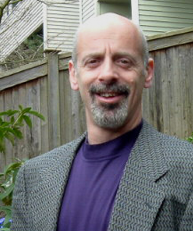 Dr. David Moore received his PhD in Materials Science and Engineering from Cornell University where his work focused on understanding the crystallization of hybrid halide perovskites under Dr. Lara Estroff. Dr. Moore has a BS in chemical engineering from the University of Washington with Honors while doing research with Dr. David Ginger on the development of new AFM techniques. He did his post-doctoral research under Prof. Henry Snaith at the University of Oxford where he continued his crystallization studies as well as developed solvent chemistries for high throughput deposition processes. He moved to the National Renewable Energy Lab in Golden, CO in 2016 as a Director’s Fellow and is currently still at NREL as a Staff Scientist and PI in the perovskite group.
PM5: Solar Cell and Module Characterization
Instructors: Dr. Gerald Siefer, Fraunhofer ISE, GermanyDr. Yoshihiro Hishikawa, AIST, Japan
The conversion efficiency is probably the most prominent parameter when talking about solar cells and modules. However it is often forgotten that determining this number with low uncertainty is still challenging and involves quite some measurement effort.
The tutorial will give an overview about state of the art calibration procedures covering, but not limited to:
• Reference cells/detectors and their traceability to the World Radiometric Reference / SI units
• Standard Testing Conditions – reference spectra
• Adjustment of solar simulator irradiance – a major source of PV measurement uncertainty
• Area determination – still a challenge especially for tiny cells
• Spectral response / EQE – differential measurement method, non linearity, multi-junction devices…
• Spectral correction procedures for single junction (mismatch factor) and multi-junction cells
• Current voltage curve measurement principles, sun simulator types, transient measurement effects – including special features of novel PV devices, such as slow response and hysteresis of high efficiency crystalline silicon and various thin film devices
• Cell contacting - fill factor underestimation and boosting
• Outdoor measurements
• Translation of I-V curves for irradiance and temperature
• CPV cell/module characterization
The tutorial will be held by Dr. Yoshihiro Hishikawa from AIST in Japan and Dr. Gerald Siefer from Fraunhofer ISE in Germany – both working on the calibration of PV devices since many years.
 Dr. Yoshihiro Hishikawa is a team leader of Calibration, Standards, and Measurement Team at Research Center for Photovoltaics (RCPV) of National Institute of Advanced Industrial Science and Technology (AIST), Japan. He has focused on the R&D of precise performance characterization for various PV cells and modules since he joined AIST in 2003. He participates in IEC and JIS committees for standardizing performance measurements of PV devices. He received PVSEC Award at PVSEC-27 in 2017. He entered Sanyo Electric. Co., Ltd. in 1982, and was engaged in development and characterization of amorphous silicon solar cells. He received his Ph.D. from Kyoto University in 1988.
  Dr. Gerald Siefer has joined the Fraunhofer Institute for Solar Energy Systems in Freiburg Germany as assistant student in 1997. Since then his work at the calibration laboratory at Fraunhofer ISE is focused on the characterization and calibration of photovoltaic devices. He finished his PhD on the topic of “Analysis of the performance of multi-junction cells under realistic operating conditions” in 2008. Since 2009 he is leading the team “III-V cell and module characterization” at Fraunhofer ISE. He is also active member of the IEC working group 7 working on the development of international standards related to CPV.
PM6: Perovskite and Dye Sensitized Solar Cells - The Vesatility of Mesoscopic Solar Cells
Instructor: Prof. Anders Hagfeldt, École Polytechnique Fédérale de Lausanne, SwitzerlandHot Research Topic in PV!
Systems for solar energy conversion based on mesoscopic materials are intensively studied today. They show efficient electricity as well as fuel production and hold promise for large volume production at low cost. Dye-sensitied (DSSC) and perovskite solar cells (PSC) are two examples of photovoltaic technologies, which will be described in details in this tutorial.
Photoelectrochemistry is a useful platform to these solar cell and fuel devices and the tutorial introduces fundamental and applied aspects of photoelectrochemical systems with a particular focus on nanostructured materials and devices. We will go through the formation of the semiconductor/electrolyte junction and explain the origin of electricity and fuel production in traditional compact/bulk photoelectrodes and in mesoscopic electrodes. The concept of dye-sensitization leads us to DSSCs and the tutorial will present basic operational principles, materials science development, industrial status and the latest research findings of these systems.
Photoelectrochemical systems for water splitting will be overviewed starting with the original Fujishima-Honda cell to the latest development of efficient oxide semiconductors such as Cu2O and hematite, as well as molecular systems utilizing the material platform of DSSC.
Perovskite solar cells have shown an unprecedented development of efficiencies with at present a world record of 22.1%. PSCs have their roots in DSSC and the tutorial will present the fundamental properties of this hybrid organic-inorganic semiconductor, preparation methods, materials and device development and the directions for further improvement in efficiencies. A big question mark for PSCs has been their long-term durability. Recently, breakthroughs in demonstrating very promising stability data have been obtained in our laboratories at EPFL as well as in others. The materials development for these developments will be presented during the tutorial.
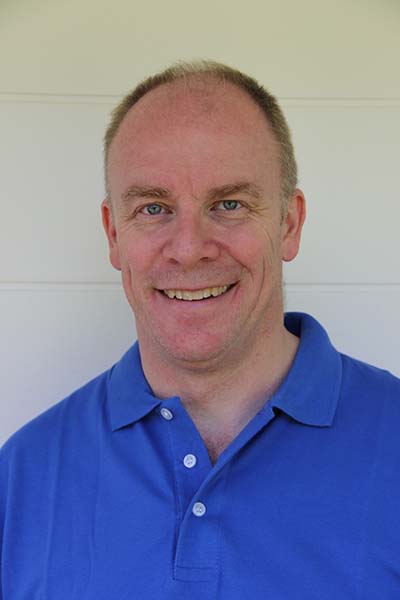 Anders Hagfeldt is Professor in Physical Chemistry at EPFL, Switzerland. He obtained his Ph.D. at Uppsala University in 1993 and was a post-doc with Prof. Michael Grätzel (1993-1994) at EPFL, Switzerland. His research focuses on the fields of dye-sensitized solar cells, perovskite solar cells and solar fuels. From web of science January 2017, he has published more than 400 scientific papers that have received over 37,000 citations (with an h-index of 98). He was ranked number 46 on a list of the top 100 material scientists of the past decade by Times Higher Education. In 2014-2016 he was on the list of Thomson Reuter’s Highly Cited Researchers. He is a visiting professor at Uppsala University, Sweden and Nanyang Technological University, Singapore.


